Casa Pescara
Parquet · 3 min · Published
Parquet and dining chairs in Spoltore, checking the chair feet
An illustrative case about marks by a dining table, worn chair feet and protective pads matched to the finish.
Illustrative scenario · A narrative example of work stages and final checks; it does not document an actual completed project.
Marks repeated in front of two chairs
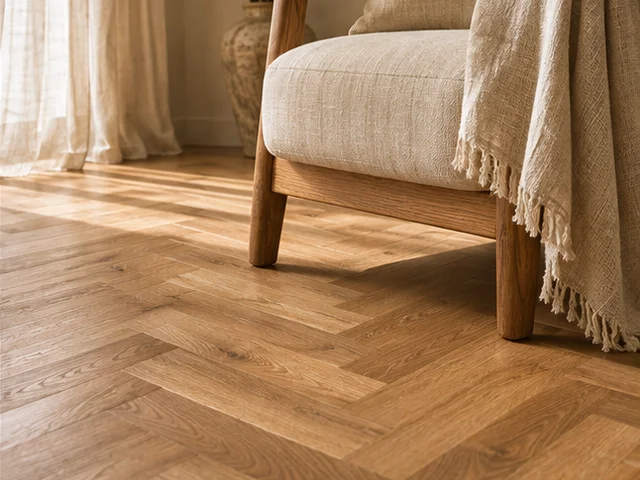
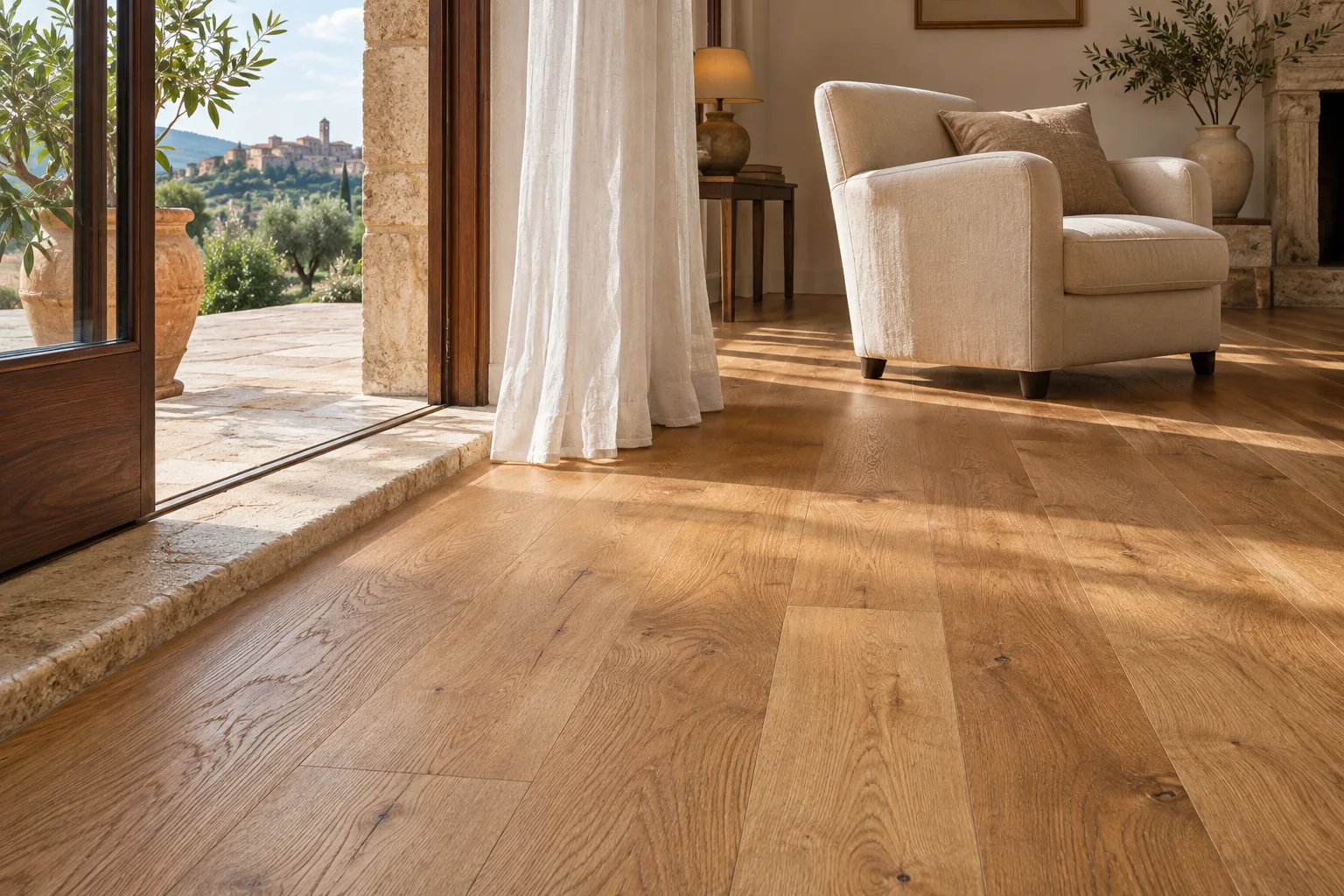
In this illustrative case, the dining room parquet in Spoltore had been laid about fifteen years earlier. After replacing several chairs, the household noticed short marks near the table. A drawing showed the spots and the direction the chairs moved when people sat down. Two marks started in the same strip and others appeared where the chairs were pushed in. The dry floor was photographed and the feet were examined without transferring pads between chairs. One pair had lost part of its original protection. The survey needed to distinguish wear on the feet from marks already present on the wood finish.
Checking the chair feet away from the parquet
The installer observed the marks and asked for the chairs to be checked on a separate test surface. Some feet bore flat and others met the surface at an angle. One worn pad held particles that were invisible from above. The condition of each foot was recorded. On the parquet, the installer checked for residue and interruptions in the finish using the available information on the product. Areas suitable for compatible cleaning were marked separately from damage that needed further assessment. The comparison could proceed without dragging another chair across the floor to find out which foot left a mark.
Matching the protection to the shape of the feet
Two protective pads suitable for the available feet and finish were compared. One sample projected at the edge of an angled foot and moved when the chair was used normally. The other covered the contact area without projecting over the edge. The fitter inspected the chair feet for damage before fitting the selected pads. The household also looked at the space needed to pull out a chair without crossing a joint at an angle. The final arrangement left a clear strip beside the cabinet, so the chair could pass without pivoting on one foot at that point.
A use trial and a check after cleaning
The installer treated the identified residue and photographed the remaining marks with the surface dry. One set of pads was tried in the agreed area before all the chairs returned to the table. The trial was followed by a check of the protection, the contact with the floor and any new particles caught underneath. The household repeated the movement of sitting down and pulling the chair closer. One foot still sat unevenly, and the fitter checked its support before it went back into use. The final sheet showed the tested layout and linked the chair routes to the photographs of the original marks.
Checking chairs and parquet together
Mark the position of the floor marks on a plan and keep photographs of the feet before replacing any pads. Ask the flooring installer to identify the finish and the furniture fitter to check the actual shape of the feet. Trial compatible pads and observe them through the normal movement. At handover, retain the cleaning instructions and identify where to look for pad wear. In this example the original marks remained documented for comparison during routine care. The pad reference was recorded so worn pieces could be replaced when the contact surface lost its integrity or began trapping more dirt under the foot.
Spoltore · PE · Abruzzo · Distance and service-area coverage ↗
How we prepare the guides: sources and illustrative scenarios