 Casa Pescara
Roofing · 3 min · Published
Rooflight frame drainage in Pescara
Water appeared inside a frame channel. This case follows separate checks on the rooflight and the roof junction.
Illustrative scenario · A narrative example of work stages and final checks; it does not document an actual completed project.
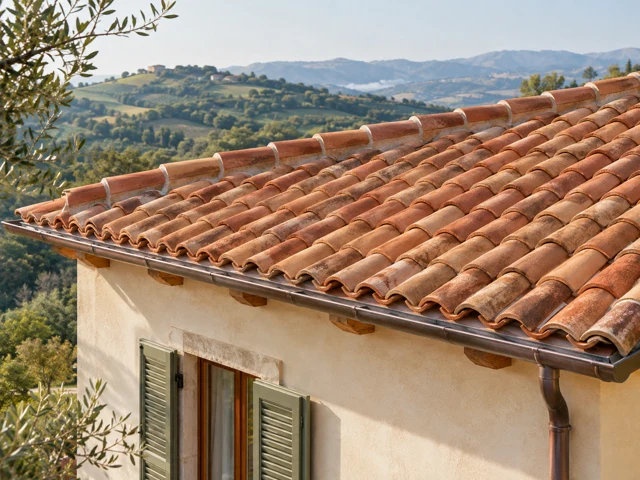
The first drop came from the frame
In this fictional scenario in Pescara, a corridor rooflight and the covering around it had last been worked on about fifteen years earlier. The fictional occupant saw a drop on the frame after rain. From indoors it was unclear whether water entered at the exterior flashing, passed through the unit or formed on the inside surface. The technician planned to observe the spot in different conditions, have the frame drainage checked and inspect the roof junction with an equipped contractor. The first visit recorded where the drop appeared and the conditions in the corridor. The opposite corner was photographed for comparison once the components had been identified.
The window specialist traced the route in the frame
The window specialist identified the model from the available references and consulted its instructions. The technician examined the inside and recorded the circumstances in which water appeared. From protected access, the roofer separately checked the junction and nearby tiles. The frame had debris at a drainage point and a small damaged component. A targeted test by the contractors reproduced a trace in the same corner as the first photograph. The technician recorded which parts had been inspected and which tests covered only the window. The immediate work could therefore be confined to the frame without assigning any future leakage through the covering to the same defect.
The replacement was selected for the model
The specialist checked the part reference and how it met the frame channel. A replacement suited to the model was selected, avoiding an added closure that could obscure drainage. The crew scheduled protection for the corridor and time for inspection before reassembly. A close image showed which opening had to remain clear. The technician compared the detail with the opposite corner and noted differences. The estimate separated frame maintenance from the roof inspection already completed. The person responsible for the property could approve the work knowing which part of the unit would be opened.
The final check included the corridor
The window specialist repaired the detail according to the system instructions. The technician inspected the drainage point while visible and kept a photograph. After reassembly, the team repeated the test under the agreed conditions. Someone watched the marked corner indoors while the contractors performed the check from their work positions. Window operation was also tested. The record listed the result, the component replaced and the area of roofing already observed. At handover the corner was shown from the usual position in the corridor. The fictional homeowner received an interior view and a photograph of the piece before closing, so it remained identifiable without roof access.
What checks to request when the frame gets wet
Photograph the corner from indoors and note whether it coincides with rain or other conditions. Ask the window specialist to identify the model and the roofer to inspect the junction safely. Before approving the repair, ask which test traced the water to the frame and whether drainage will stay accessible. At handover, have the unit operated and keep the part reference with the photograph of the opened detail. After rain, look at the same corner from inside. If the trace moves or reappears, send the image and record to the technician so the right checks can be repeated.
Pescara · PE · Abruzzo · Distance and service-area coverage ↗
How we prepare the guides: sources and illustrative scenarios