Casa Pescara
Painting · 3 min · Published
Painting in Porta Nuova when grazing light revealed a wall patch
A Pescara painting scenario about a filled edge that showed at sunset and the checks before repainting.
Illustrative scenario · A narrative example of work stages and final checks; it does not document an actual completed project.
A line that appeared only in the afternoon
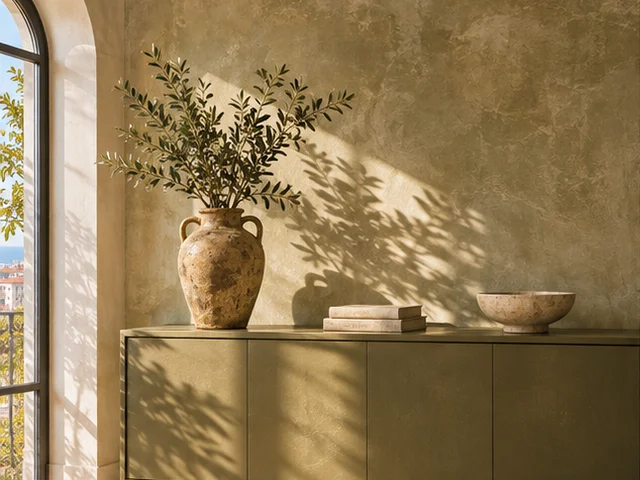
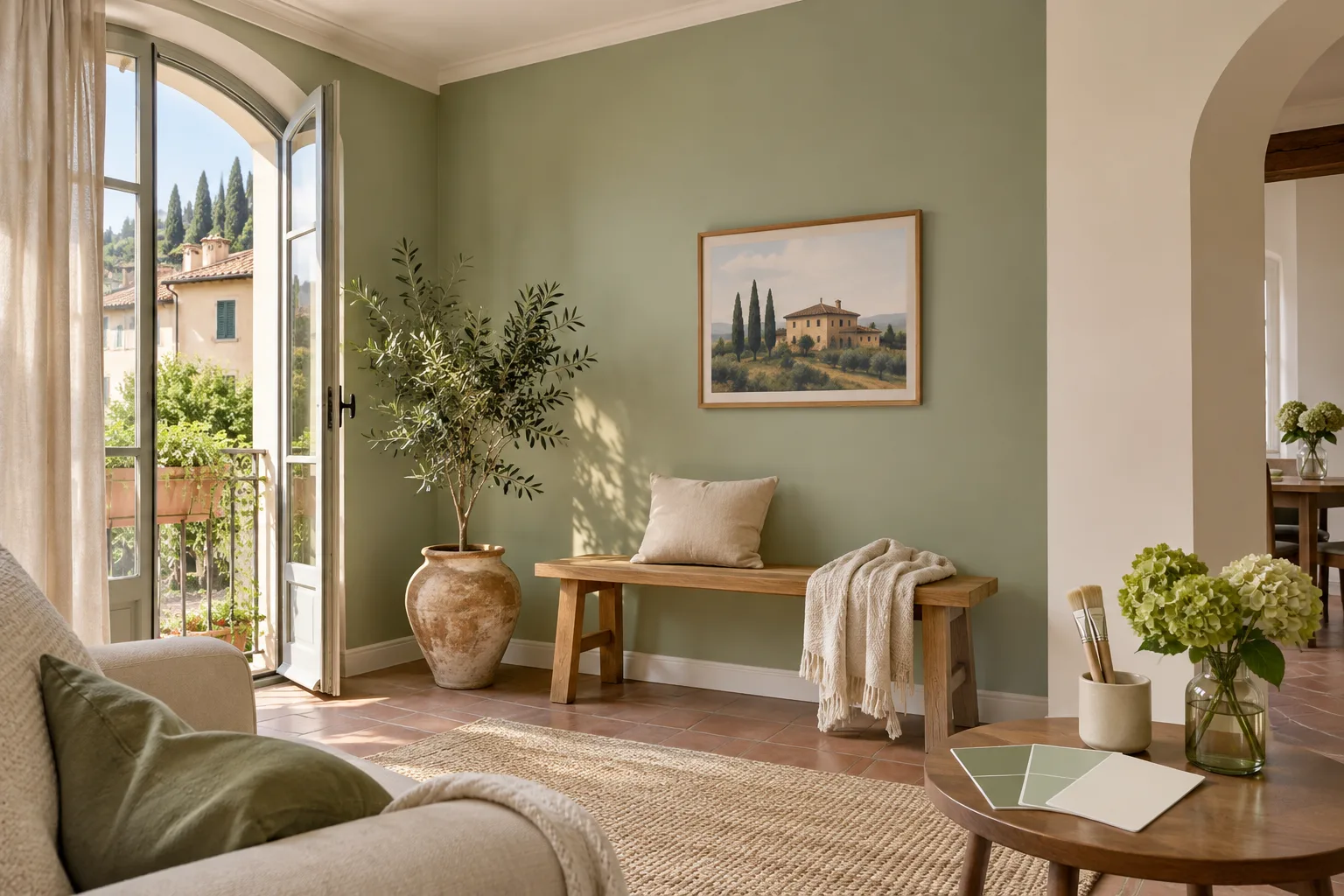
This illustrative case in Porta Nuova, Pescara, started with a wall due for repainting after a socket had moved. The chase was already closed, and at the morning survey the surface looked even. A photograph taken later showed a line as long as the old repair. The room was checked again while the sun came sideways through the window, and the line became visible at close range too. The wall colour had not changed, but the edge of the repair cast a fine shadow. The painting brief therefore included preparing that edge before any colour went on.
Viewing the line from two fixed positions
Two places to view the wall were marked so that later trials could be compared. The first was at the doorway, where the entire line appeared. The second was near the window, where the part standing furthest proud could be recognised. Two small holes nearby, already included in the work, were photographed to distinguish them from the line. The room stayed in its usual arrangement during the check, with the table moved only far enough to reach the socket. A work light helped locate the edge after the sun moved. Photographs in window light remained the main reference because the mark had been noticed while the room was in use.
A sample exposed the limit of a narrow repair
A short stretch was prepared and viewed from the place where the line had been clearest. It felt smooth, but a slight difference remained just outside the treated area. Instead of repeating the same repair around the entire edge, preparation spread further into the area where the transition was most abrupt. The change in texture was checked before the surface was approved. For the next trial, the table returned against the wall and the curtain opened as it had been for the first photograph. The line no longer appeared in the same place. That allowed the decorator to distinguish any remaining colour differences from the shadow that had prompted the work.
Painting followed the surface check
Once the wall passed that check, the small repairs beside the socket were completed. The area was checked again when it was ready for the finish. The whole wall between the two corners would be painted, so the change in surface did not coincide with a paint edge. The socket cover stayed protected during the work, and its perimeter was inspected before the table returned to its final position. The section of skirting beneath the chase also stayed visible for a close check. The photographs with the marked positions were kept so that the same view could be found again without relying on memory.
Looking at the wall again at the same hour
At handover, the wall was viewed from the doorway and then from the window, with the curtain open and the sun coming from the side. The inspection focused on the segment that had cast a shadow in the first photo. The area around the socket was compared too, because a small difference there would show more readily under the table lamp. The table moved close to the wall, leaving the socket usable. The final note recorded the extent of preparation and the full wall that had been painted. The handover check reproduced the hour and viewing angle that had revealed the patch, and also used the ordinary artificial light switched on in the evening.
Porta Nuova · Pescara · PE · Abruzzo · Distance and service-area coverage ↗
How we prepare the guides: sources and illustrative scenarios