Casa Pescara
Bathroom · 3 min · Published
Damp inside a bathroom cabinet during a renovation in Ripa Teatina
An illustrative case that compared wet contents, room humidity and cabinet condition before selecting replacement storage.
Illustrative scenario · A narrative example of work stages and final checks; it does not document an actual completed project.
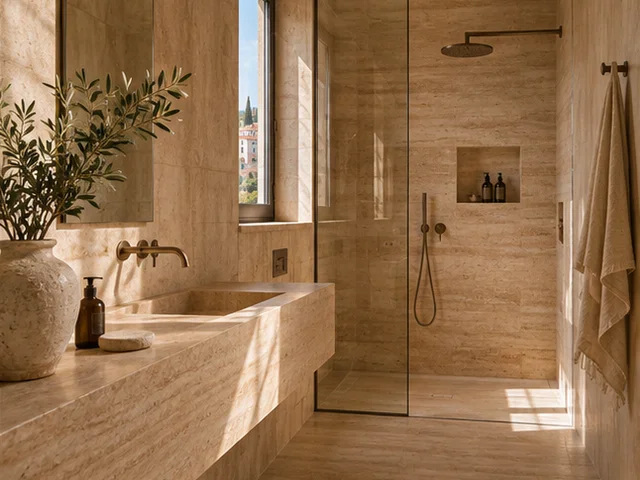
A swollen edge inside the cabinet
In this illustrative case, the bathroom in Ripa Teatina had been renovated about fifteen years earlier. A closed cabinet beside the basin had a swollen edge on its lowest shelf. The door looked intact from outside. The household had noticed drops on containers after several showers and assumed they came from the wall. Before replacing the cabinet, the affected areas were photographed and the contents were reviewed. Damp cloths and already wet bottles were often put away inside. One photograph also showed a mark beneath an upright container. These observations were kept separate and the wall was scheduled for inspection once the cabinet came away.
Observing the room at different times
The technician inspected the room after a period without use and again after normal activity. The notes described the surfaces beside the cabinet, the wall behind it and the shelf. The plumber observed the accessible basin connections and found no leak in the test conditions. A bottle with a wet base reproduced the outline of one mark. The technician recorded the match without attributing every trace in the cabinet to the same source. After removal, the back of the cabinet and the substrate were checked. No signs in this example called for opening the wall, and the area inspected was recorded.
Giving damp and dry items different places
The plan kept dry contents apart from cloths in use. Bottles went on a shelf with a removable tray, while damp fabrics had an outside location where they could dry. In the first proposal, the side of the new cabinet met the edge of the basin and left an awkward corner to clean. A shallower unit was compared using a sample in place. It gave a cloth room to reach the side while keeping the tallest items upright. The supplier provided the care requirements for the selected finish. The cabinet sheet remained with the drawing showing the separate compartments and the space needed around them.
Checking with the contents in place
The installer checked the new cabinet before inserting the removable shelves. Its edges had to be reachable and the door had to open with the towel rail installed. The first sample tray filled almost the whole compartment and required bottles to be tilted to take it out. The chosen size left room for a hand, and the trial was repeated with the tray loaded and empty. After a period of normal use, the household recorded conditions on the shelf and cabinet side. Those observations stayed with the photographs. The record made no claim that the cabinet itself changed the room humidity.
Planning an investigation of damp storage
Before ordering a cabinet, photograph the mark and note which items were wet when they were put away. Ask for the wall, nearby plumbing connections and the cabinet to be checked so possible sources can be distinguished. Compare shelf designs by removing the tray with the actual containers in place. At handover, check that the edges can be cleaned and retain the finish instructions. This example kept a photograph of the damaged shelf to help identify a similar mark. The sheet also showed the place set aside for fabrics and the wall edge to observe during ordinary checks.
Ripa Teatina · CH · Abruzzo · Distance and service-area coverage ↗
How we prepare the guides: sources and illustrative scenarios